

Physiotherapy – what to expect
Physiotherapy at home
Appointment time: 80 minutes
Assessment, Diagnosis, Management and Treatment in the comfort of your own home
Physiotherapy in clinic
Standard session: 45 minutes
Extended rehab session: 60 minutes
Access to:
Private clinic room for Assessment and Treatments
Private studio for rehabilitation sessions
In-house gym for Strength and Conditioning
Musculoskeletal Physiotherapy (MSK Physiotherapy) is a specialised outpatient form of physiotherapy with emphasis on thorough assessment, clear diagnosis and effective treatment of injuries that involve ligaments, tendons, muscles and joints.
The purpose of Musculoskeletal Physiotherapy is to restore optimised function of the body and can include sprains, strains, joint injury, spinal disc injury and muscle spasms. These can be of new acute onset or more chronic in nature.
Treatment techniques
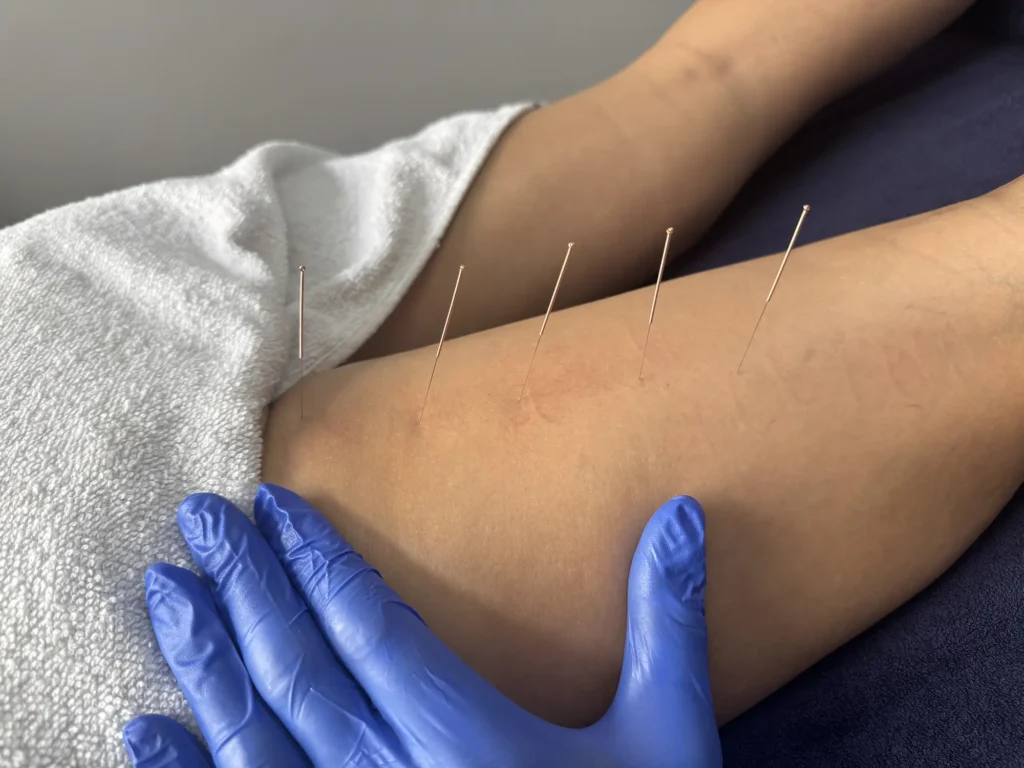
Acupuncture and Dry Needling
Acupuncture is the insertion of single use sterile needles, which are inserted into the skin at certain points of the human body to stimulate the release of the body’s natural chemicals to restore balance and harmony. There are 361 acupuncture points which are the meridians along which the body’s energy flows.
Dry needling is the treatment of a specific area of tight or painful parts of a muscle, also known as trigger points.
How can this help?
- Endorphin Release: Acupuncture stimulates the release of endorphins, the body’s natural painkillers. This can help reduce pain and promote a sense of well-being.
- Nervous System Regulation: Acupuncture may stimulate nerve fibres that send signals to the brain, triggering the release of neurotransmitters and other chemicals that help regulate pain, inflammation, and mood.
- Blood Flow and Healing: Some studies suggest that acupuncture can increase blood flow to certain areas of the body, which may aid in healing and tissue repair. This is particularly relevant for conditions like muscle injuries or chronic pain.
- Inflammation Modulation: Research has also shown that acupuncture can influence inflammatory responses in the body, helping to alleviate conditions like arthritis or autoimmune diseases.
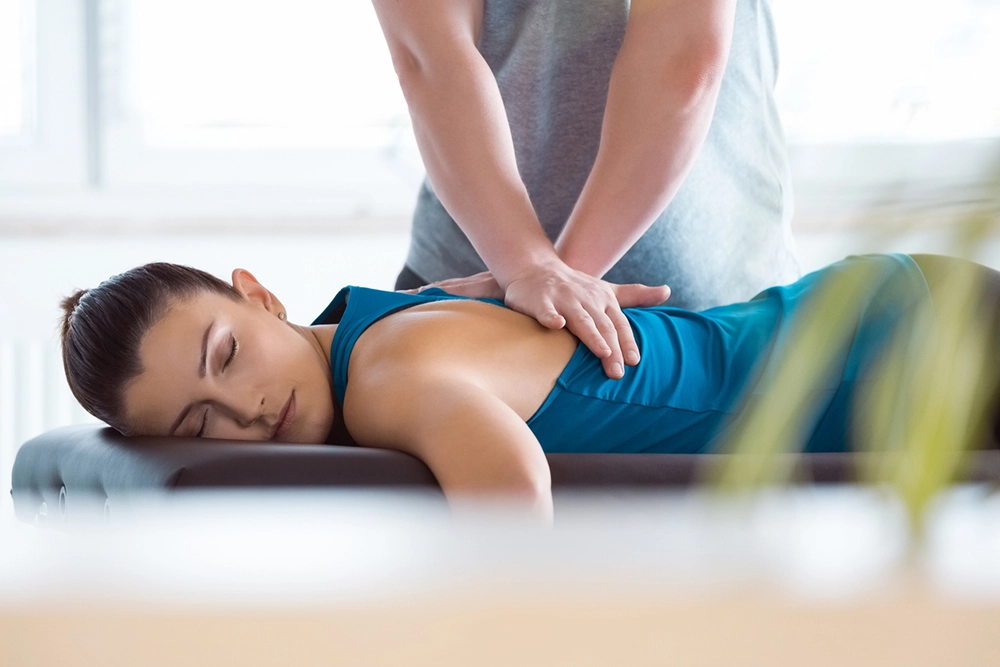
Sports Massage / Therapeutic Massage
When and how can this help?
- Pre-event: Warms up muscles, boosts circulation, and prepares the body for performance.
- Post-event: Helps reduce soreness and accelerates recovery.
- Maintenance: Regular sessions to keep muscles balanced, flexible and reduce pain.
- Rehabilitative: Targets injuries or chronic muscle issues to speed healing.

Joint mobilisation
How can this help?
Joint mobilisation is a manual therapy technique used by physiotherapists and other clinicians to improve joint function, reduce pain, and increase range of motion. It involves the passive movement of specific joints using controlled, graded force and speed.
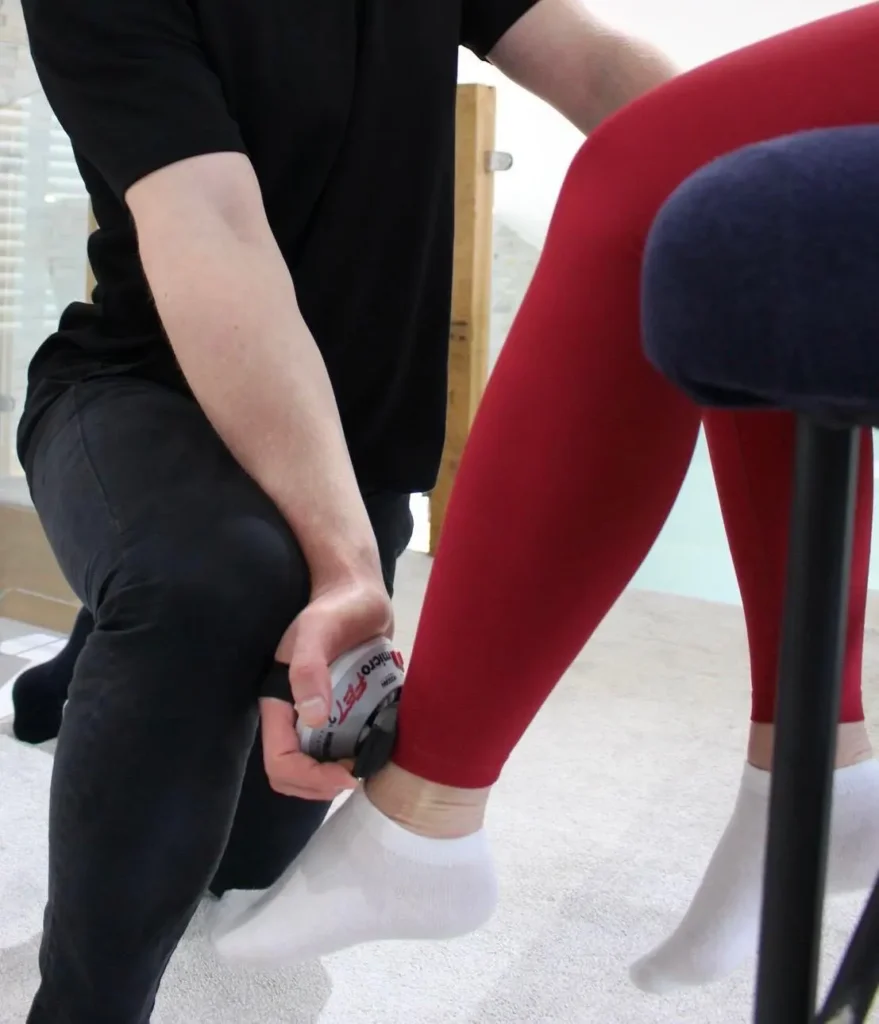
Strength profiling
Using a hand-held dynamometer (HHD) to manually test muscle strength, you can create a comparison between different muscle groups and find areas where you may have a weakness. Finding a weakness in a muscle group can help reduce the reason for your source of your pain or reduced physical performance. (If you are not testing, you are guessing).

Neuromuscular Electrical Stimulation (NMES) for Rehabilitation
NMES is a therapeutic technique that uses electrical impulses to evoke muscle contractions. It targets motor nerves, causing the muscles to contract in a way that mimics voluntary movement. NMES is commonly used in physiotherapy, sports rehab, and post-surgical recovery.
How can this help?
- Muscle Strengthening: Helps prevent muscle atrophy (wasting) during periods of immobilisation or disuse.
- Often used after surgeries like ACL reconstruction, joint replacements, or spinal injuries.
- Oedema Reduction: Promotes venous and lymphatic return through muscle pumping action. Useful in acute post-injury or post-surgical swelling.
- Joint Stability and Function: Improves activation of stabilising muscles around joints.
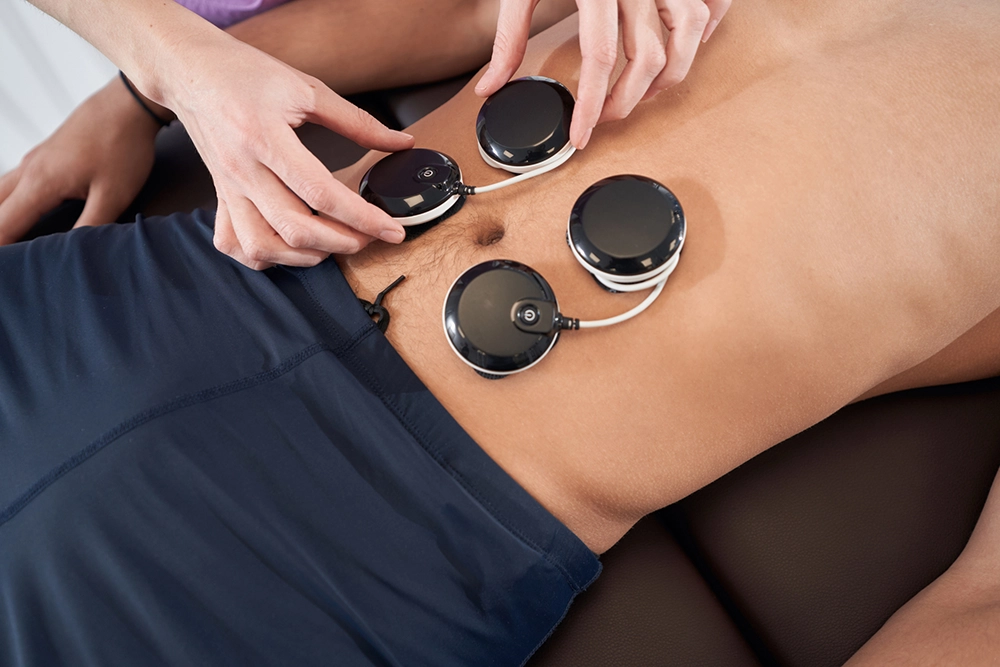
Electrostimulation for pain
Muscle Activation to Reduce Pain
Activating muscles can improve circulation, reduce muscle spasms, and decrease stiffness, indirectly reducing pain.
Helpful in chronic conditions where disuse contributes to pain (e.g. post-surgical recovery, chronic joint pain).